Maintaining Your Fishing Gear: Recommendations to Increase the Longevity of Your Tackle
Maintaining fishing gear is vital for anglers who want to enhance their experience on the water. Proper maintenance can significantly extend the life of rods, reels, and tackle. Regular inspections and cleaning routines are important for optimal performance. Furthermore, organized tackle boxes and seasonal reviews help prevent unexpected failures. Knowing how to service each component is critical. What exact practices might help ensure fishing gear stays in top condition?
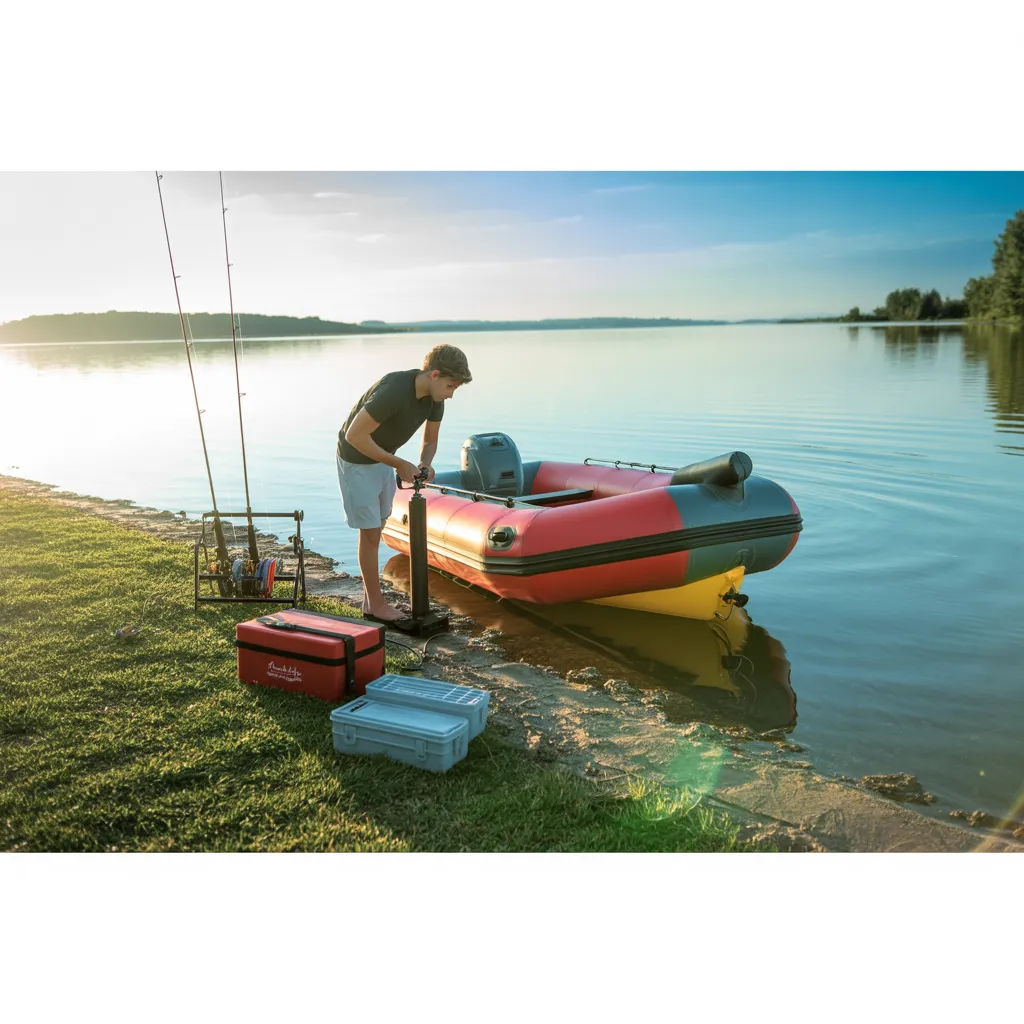
Recommendations for Caring For Your Angling Rods
Adequate maintenance of rods is essential for ensuring long-term durability and peak results. Periodic inspection is critical; anglers should assess for any signs of degradation, such as cracks or chipping. Cleaning the rod after each use helps remove dirt and salt, which can degrade materials over duration. A soft cloth and mild soap work well for routine cleaning.
Furthermore, storing rods in a cool, dry place prevents harm from moisture and temperature fluctuations. Using rod socks or cases shields them from accidental bumps and scratches. Prevent placing heavy objects on top of stored rods, as this can result in warping or fracturing.
In addition, careful attention to rod guides is paramount; assuring they are free of debris and not frayed enhances casting distance and casting accuracy. By adhering to these guidelines, fishermen can maintain their fishing rods properly, ensuring they remain reliable tools for many seasons of fishing excursions.
Strategies for preserving Your Fishing Reels
Proper care of fishing reels is necessary for excellent results and extended service life. Meticulous cleaning following each fishing outing, servicing functional components with lubricant, and reviewing for damage serve as critical procedures that maximize functional capacity. By maintaining these methods, anglers can confirm their reels remain in first-rate condition for every angling occasion.
Clean After Each Use
Cleaning fishing reels after each use is essential for preserving their durability and functionality. Saltwater, dirt, and debris can build up during fishing trips, leading to corrosion and reduced operation. Anglers should rinse their reels with fresh water, making sure that all surfaces are thoroughly cleaned to remove any contaminants. A gentle rag can be used to wipe down the exterior, while a gentle brush may help loosen persistent debris from tight spots. Special attention should be given to the spool and line, as residues can affect casting performance. After rinsing, it's vital to dry the reel completely to prevent moisture buildup. Implementing this routine not only enhances performance but also greatly extends the lifespan of fishing reels, ensuring reliable use for many seasons.
Lubricate Mobile Parts
Once fishing reels have been thoroughly cleaned, attention focuses to oiling the moving parts to ensure seamless functionality. This task is critical for maintaining the reel’s performance and lifespan. Using a high-quality fishing reel lubricant, anglers should apply a thin layer to bearings, gears, and other important mechanisms. Care must be taken to avoid excessive oiling, which can attract dirt and debris. A fine applicator can help target hard-to-reach areas without overuse. Additionally, it’s advisable to wipe away any extra oil after application. Regular lubrication minimizes friction, allowing the reel operates efficiently while casting and retrieving lines. By adopting this maintenance routine, anglers can improve the functionality and lifespan of their fishing reels, enabling more pleasant fishing times.
Look for Damage
Inspecting fishing reels for damage is a key step toward ensuring maximum performance. Regular inspections help find deterioration that might affect functionality. Anglers should check the reel's body for cracks or dents that might reduce its integrity. The spool should be reviewed for signs of distortion or an uneven surface, as these can interfere with line retrieval. Additionally, the drag system needs to be examined for proper function; any sticking or grinding indicates potential issues. Lastly, attention must be given to the bail mechanism to ensure it opens and closes smoothly. By diligently inspecting these elements, anglers can address minor faults before they escalate, ultimately extending the durability of their fishing reels and enhancing their overall fishing experience.
How to Wash Angling Lines for Best Efficiency?
Proper maintenance of fishing cords is essential to secure peak performance during each fishing expedition. Regular cleaning greatly enhances the longevity and efficiency of these crucial parts. To wash fishing lines, anglers should first remove the line from the reel to make it easier to access and inspect. A gentle rinse with fresh water can clear away dirt and debris. For stubborn grime, a solution of warm water and mild soap can be used, using a soft cloth or sponge. After cleaning, it is important to wash off completely the line to remove any soap residue. Once dry, rewind the line onto the reel, ensuring it is tight and free of twists. Additionally, using a line conditioner can help maintain flexibility and reduce memory, thus boosting casting and overall performance. By following these basic steps, anglers will guarantee that fishing lines stay in excellent condition for future adventures.
Tackle Box Organization Advice
Skilled angling requires not only well-maintained lines but also a methodical tackle box. A competent tackle box facilitates anglers to easily access primary equipment, enriching their fishing experience. First, partition tackle by type: lures, hooks, weights, and tools should each have specific compartments. Using small, clear containers within the tackle box can help keep smaller items from becoming tangled or lost. Stickers can also optimize the process, allowing for simple identification and retrieval.
Additionally, anglers should regularly review and remove any outdated or damaged items, guaranteeing only functional gear is kept. Think about implementing modular tackle boxes that provide adjustable sections, adapting to different fishing styles or environments. Finally, maintaining a inventory list of necessary items can direct organization and restocking, making getting ready for angling excursions more efficient. By implementing these organization tips, fishermen can make the most of their hours on the water and enhance their overall fishing success.
Seasonal Upkeep for Fishing Equipment
Seasonal maintenance is essential for ensuring fishing gear stays in ideal condition throughout the year. As spring approaches, anglers should adhere to a prep checklist to ready their equipment for active fishing seasons. Conversely, proper winter storage tips are crucial for safeguarding gear during the downtime.
Spring Preparation Rundown
As spring approaches, anglers often understand the significance of a thorough prep checklist for their fishing gear. First, they should examine rods and reels for any signs of wear or damage, ensuring all components function correctly. Next, it's vital to maintain and oil reels, removing old line and substituting it with fresh, suitable monofilament or braided line. Additionally, inspecting tackle storage for rusted hooks and broken lures is imperative; replacing these items can enhance fishing success. Anglers should also inspect waders, nets, and other accessories for rips or holes, making sure everything is in working order. Finally, organizing gear and ensuring all necessities are ready facilitates a smooth start to the fishing season. Proper preparation enhances the overall fishing experience.
Keeping Your Items for Winter Recommendations
Proper winter storage is vital for sustaining the longevity and operation of fishing gear. Anglers should start by thoroughly cleaning all equipment, removing dirt, salt, and moisture that can cause corrosion. Rods should be stored in a cool, dry place, ideally in a upright stance to prevent warping. Reels require a thin oil coat to assure smooth operation come spring comes. Line should be removed and replaced, as old line can degrade over time. Tackle boxes and lures should be organized and checked for damage, checking that everything is in working order. Finally, consider using protective covers for larger items, shielding against dust and potential damage. Following these steps will help preserve fishing gear for the next season.
What's the best time to upgrade your tackle?
Knowing the proper moment to renew fishing gear can greatly improve the angling experience. Spotting symptoms of wear and tear is necessary. Rods may have cracks or splintering, showing they aren’t reliable anymore. Reels can become hard to crank or may display rust, which suggests it’s time to replace them. Lines that fray or lack strength affect fishing success; thus, they need to be replaced regularly.
Additionally, confront boxes that are damaged or missing compartments compromise structure and productivity. Anglers should also weigh the age of their equipment; dated equipment may not execute as proficiently as modern systems. Ultimately, refreshing gear before it fails warrants a more pleasant fishing trip and lessens frustration on the water. Frequent reviews of gear condition can thwart unexpected difficulties and amplify overall performance, allowing anglers to hone in on the thrill of the catch.
Popular Questions Which Are Frequently Posed
How Consistent Should My Assessments of Fishing Gear for Damage Be?
Examining angling equipment for wear should happen on a regular basis, preferably before each excursion. Frequent checks help detect potential issues early, guaranteeing equipment remains in great shape and enhancing the overall angling adventure while preventing unexpected issues.
Should I Use Regular Soap to Sanitize My Fishing Equipment?
Standard soap used to clean fishing equipment is typically not recommended, as it may deposit buildup that affect performance. Professional-grade cleaners are suggested to guarantee thorough cleaning without damaging delicate parts and surfaces.
What Should I Do if My Rod Gets Damaged?
If a fishing rod gets damaged, the individual should evaluate the magnitude of the harm, consider fixing it with suitable supplies, or consult a professional. Substitution may be necessary for critical fractures or refer now major structural concerns.
Is It Protected to Place Fishing Gear in Extreme Temperatures?
Housing fishing gear in severe weather conditions is not advisable. Excessive heat can distort substances, while extreme cold can trigger brittleness. Correct preservation in a regulated space helps maintain equipment longevity and performance.
What Techniques Can Help Me Prevent Rust on Metal Components?
To minimize rust on metal components, one should periodically clean and dry the equipment, put on protective coatings, store items in a dry environment, and use rust inhibitors as necessary to maintain ideal condition.